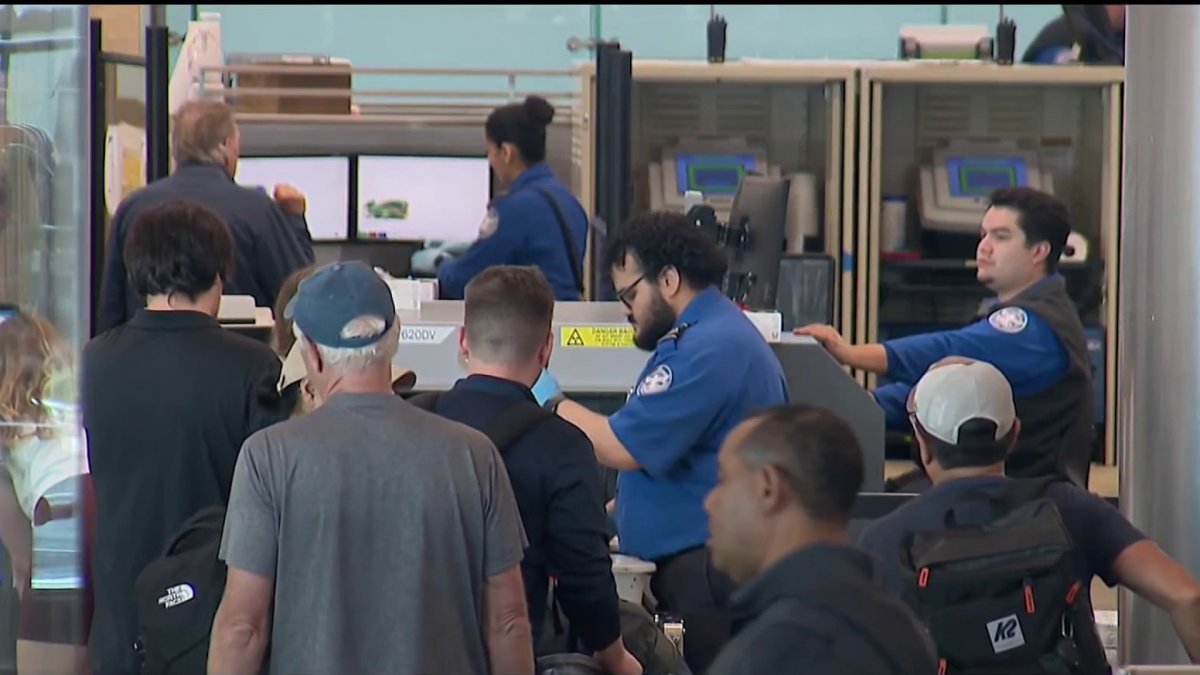
San Diego TSA's Unpaid Struggle Fuels Airport Line Chaos
The bustling terminals of San Diego International Airport, usually a gateway to Californian adventures, have recently been overshadowed by a profound human struggle. At the heart of the resulting chaos were the dedicated men and women of the San Diego TSA, caught in the devastating grip of a partial government shutdown. For weeks, these essential workers, tasked with safeguarding air travel, reported for duty without a paycheck, leading to a cascade of personal hardship and operational strain that significantly impacted airport security lines and traveler experiences.
This isn't merely a tale of inconvenience; it's a story of resilience, frustration, and the direct consequences of political gridlock on everyday lives. The critical role played by the San Diego TSA became starkly apparent as their financial struggles translated into tangible delays and palpable tension at one of the nation's busiest travel hubs.
The Human Cost: San Diego TSA Agents on the Brink
Imagine dedicating over two decades of your life to public service, only to find yourself burning through savings just to make ends meet. This was the stark reality for Robert Mack, a 46-year-old lead transportation officer with the San Diego TSA, who, along with roughly 50,000 TSA agents nationwide, endured over a month without pay. For Mack, a 23-year veteran at San Diego International Airport, and his colleagues, the financial squeeze in an already expensive city like San Diego was immense, pushing many to their breaking point.
"We're running on fumes," Mack articulated, a sentiment echoed by countless agents. "Most people aren't built for six weeks without pay." The crisis forced many San Diego TSA agents into desperate measures. Stories emerged of individuals approaching friends and family for loans, organizing yard sales, and even baking sales to generate minimal income. Mack himself, passionate about cooking barbecue and soul food, began exploring ways to monetize his culinary skills, eyeing a future food truck business as a side hustle to supplement his unpredictable government salary. This deeply personal struggle highlights the vulnerability of essential government employees when political impasses disrupt their livelihoods. To delve deeper into the strategies agents employed to stay afloat, read our article: San Diego TSA Workers: Surviving the Financial Shutdown Scramble.
Ripple Effect: How Unpaid San Diego TSA Fuels Airport Chaos
The human cost directly translated into operational challenges at San Diego International Airport. With agents unpaid, many found themselves in an impossible bind: work for free, or call out sick to seek alternative, paying employment. Mack estimated that around 13% of San Diego TSA agents were calling out daily. These "sick calls," a blend of protest and urgent financial necessity, led to significant staffing shortages, directly impacting the efficiency of airport security lines.
Passengers quickly felt the repercussions. Early morning travelers, typically trying to beat the rush, found themselves confronting unprecedented waits. Rich Ceruti, arriving before 4 a.m. for a 6:30 a.m. flight to Rhode Island, found himself waiting for ticket counter machines to even turn on, a testament to the extended early arrival times becoming necessary. Frustration was palpable, occasionally boiling over, as evidenced by a passenger attempting to duck a rope and being yelled at by others in line. Airport spokesperson Nicole Hall confirmed that Thursday mornings, initiating weekend travel, between 6 and 8 a.m. are typically the busiest, and the understaffing exacerbated these peak periods.
The union representing TSA workers, the American Federation of Government Employees, implored passengers to remember the humanity behind the badges. Hydrick Thomas, the union council president, powerfully stated, "Stop asking me about the long lines. Ask me if somebody's gonna eat today." This plea underscored the severity of the situation and the direct link between the welfare of San Diego TSA workers and the smooth operation of air travel. Food drives were organized, and the union even provided letters for members to give to debtors, explaining their dire financial predicament.
A Glimmer of Hope? Initial Paychecks and Ongoing Challenges for San Diego TSA
The immense pressure from nationwide travel delays, particularly during the busy spring break season, coupled with the outcry from unpaid essential workers, eventually prompted action. While the partial government shutdown remained unresolved, a significant development occurred: San Diego TSA workers, and their counterparts across the nation, began receiving some pay. For most, this meant at least half a paycheck, a welcome, though incomplete, relief.
Following the initial dispersal of funds, there was a noticeable, albeit incremental, improvement in airport security lines compared to the preceding weeks. However, the situation was far from resolved. Nyrine Washington, a San Diego spokeswoman for the American Federation of Government Employees union, confirmed that for many officers, "a substantial amount of money is still missing from paychecks." This partial payment, while crucial, underscored the ongoing precariousness of the situation. It was a band-aid solution rather than a complete healing, leaving many San Diego TSA agents still financially vulnerable and the long-term stability of airport operations uncertain. For more details on the impact of these partial payments, refer to our related article: San Diego TSA Paycheck Arrives: Will Airport Lines Improve?
Navigating the Uncertainty: Tips for Travelers and Supporting San Diego TSA
While the immediate crisis of unpaid wages has seen some alleviation, the underlying issues surrounding government shutdowns and the vulnerability of essential workers persist. For travelers passing through San Diego International Airport, understanding the ongoing challenges is key to a smoother experience. Similarly, recognizing the dedication of San Diego TSA agents fosters a more empathetic environment.
Tips for Travelers:
- Arrive Early: Even with improved conditions, it's always wise to add extra time, especially during peak travel hours (early mornings, evenings, and weekends).
- Check Airport Updates: Consult the San Diego International Airport's official website or flight status apps for real-time information on security wait times.
- Utilize Expedited Screening: If you're a frequent flyer, consider enrolling in programs like TSA PreCheck or CLEAR. These can significantly reduce your wait times, though agents will still be performing checks.
- Be Prepared for Security: Have your boarding pass and ID ready. Follow all instructions from security personnel. Knowing liquid rules and packing efficiently can speed up the process for everyone.
- Practice Patience and Empathy: Remember that the TSA agents are doing their job under potentially stressful personal circumstances. A little understanding goes a long way.
Supporting TSA Agents:
- Acknowledge Their Service: A simple "thank you" can boost morale for those working tirelessly to keep air travel safe.
- Stay Informed: Understand the broader context of government funding and its impact on essential services.
Conclusion
The saga of the San Diego TSA during the government shutdown offers a compelling look into the real-world impact of political decisions on frontline workers and the traveling public. From Robert Mack's personal sacrifices to the exasperation of passengers facing prolonged security lines, the experience underscored the fragility of systems reliant on consistent funding and the immense dedication of those who serve, even without pay. While initial payments brought some relief, the underlying vulnerability of essential government employees remains a critical issue. Moving forward, a stable and respectful resolution that values the vital contributions of the San Diego TSA and their colleagues nationwide is not just a matter of fairness, but a prerequisite for efficient, secure, and humane air travel.