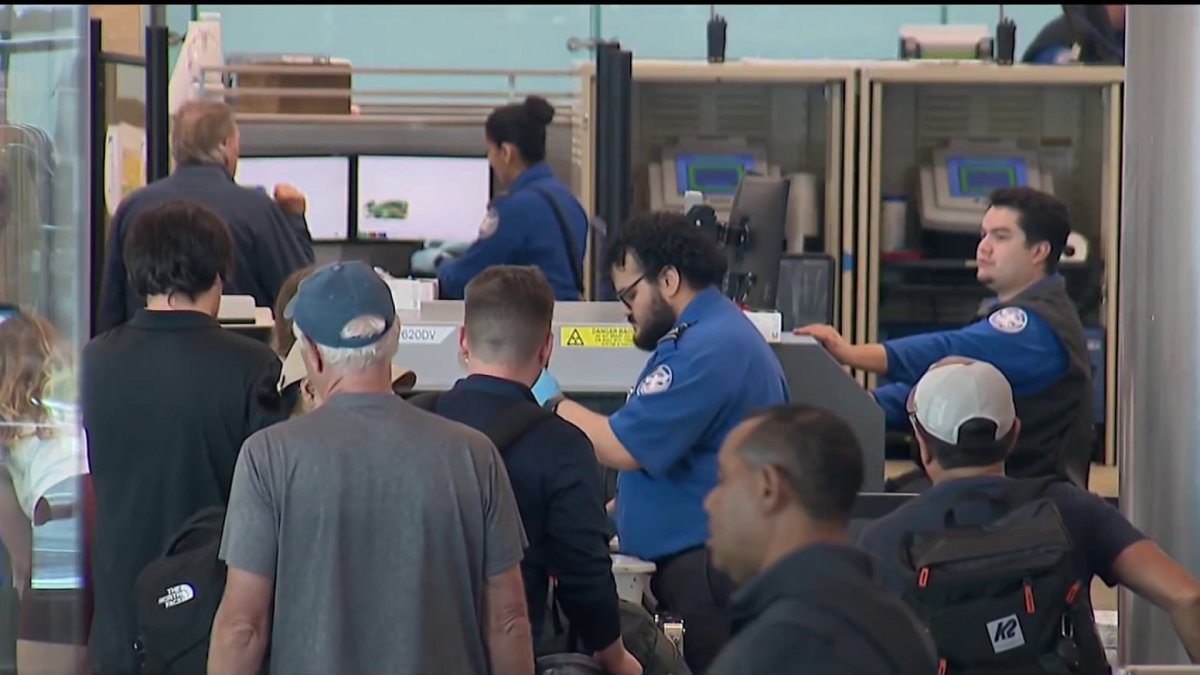
The Unseen Burden: Financial Hardship for San Diego TSA Workers
The bustling terminals of San Diego International Airport (SAN) are a gateway to Southern California, a vibrant region known for its beauty and, notably, its high cost of living. Yet, for a period during a challenging government shutdown, the very individuals safeguarding these gates – the dedicated
San Diego TSA agents – found themselves caught in an unprecedented financial scramble. For over a month, roughly 50,000 Transportation Security Administration (TSA) agents nationwide, including those vital to San Diego’s security, worked without pay, turning a professional duty into a personal battle for survival.
Imagine dedicating over two decades to public service, only to face an unexpected financial cliff. This was the reality for Robert Mack, a 46-year-old lead transportation officer who had served the TSA at San Diego International Airport for 23 years. Like many of his colleagues, Mack watched his savings dwindle for 41 days, the financial stress mounting with each passing week. "We’re at the point where the majority of us are running out of money," Mack lamented, underscoring the severe strain. "We’re running on fumes. Most people aren’t built for six weeks without pay." In a city where the cost of living significantly outpaces the national average, going without a paycheck meant an immediate and profound crisis for countless families. The financial tightrope walk forced many to seek desperate measures, from requesting loans from friends and family to holding impromptu yard sales and bake sales, anything "to get a little extra money."
Impact Beyond Paychecks: Airport Operations and Passenger Frustration
The financial distress experienced by
San Diego TSA workers had a direct and visible ripple effect, extending far beyond their personal finances and into the very fabric of airport operations. Unable to sustain themselves without income, many agents were forced to make impossible choices. A significant number of airport security officers across the nation, including an estimated 13% of San Diego TSA agents daily, called out sick. This wasn't solely a form of protest; for many, it was a necessity, providing a window of opportunity to seek alternative, immediate income sources to feed their families and cover essential bills.
The direct consequence of these reduced staffing levels was immediate and impactful: long security lines. Travelers arriving at San Diego International Airport experienced frustratingly extended wait times, particularly during peak hours. Rich Ceruti, a passenger with a 6:30 a.m. flight to Rhode Island, arrived before 4 a.m. at Terminal 1, only to find himself waiting for ticket counter machines to even turn on. His early arrival, intended to mitigate potential delays, highlighted the pervasive anxiety among travelers. Frustration occasionally boiled over, as evidenced by an incident where a woman attempting to duck a rope was met with angry shouts from fellow passengers. Airport spokesperson Nicole Hall confirmed that Thursdays typically mark the beginning of weekend travel, with 6 to 8 a.m. being the busiest window, exacerbating the impact of the staffing shortages.
Amidst the chaos and rising tensions, union representatives for TSA workers, including Hydrick Thomas, president of the national American Federation of Government Employees union council, appealed to the public for empathy. His poignant message cut through the operational complaints: "Stop asking me about the long lines. Ask me if somebody’s gonna eat today." This stark reminder highlighted the human element behind the operational disruptions, urging passengers to remember that the individuals ensuring their safety were also struggling neighbors and community members. For a deeper dive into the initial impact on airport operations, read
San Diego TSA's Unpaid Struggle Fuels Airport Line Chaos.
Resilience in Crisis: How San Diego TSA Agents Coped
Despite the immense pressure, the human spirit of the
San Diego TSA workforce shone through in remarkable ways. Faced with an uncertain future and an immediate need for income, many agents tapped into their skills and resourcefulness. Robert Mack, for instance, found solace and potential income in his passion for cooking. Known among friends for his legendary five-cheese macaroni and cheese, Mack, whose primary passion lies in barbecue and soul food, began contemplating turning his culinary talents into a side business, even eyeing a long-term goal of a food truck. This entrepreneurial spirit was not isolated; many of his co-workers were also actively brainstorming or pursuing various avenues to earn extra money, illustrating a collective determination to overcome adversity.
The crisis also galvanized community support. Several food drives were organized specifically for TSA workers in San Diego and across the nation, providing much-needed relief to families struggling to put food on the table. The workers' union played a crucial role, not only in advocating for their members but also in providing practical assistance, such as furnishing letters that members could give to debtors and utilities to explain their dire financial situation. While some workers, unfortunately, felt compelled to quit altogether, the overwhelming response from most was one of resilience, community, and ingenuity. This period underscored the critical need for robust safety nets and the recognition of essential workers' vulnerability during such government impasses.
The Road to Recovery: Partial Pay and Lingering Questions
After weeks of mounting pressure, widespread operational disruptions at airports nationwide, and a growing public outcry, a partial resolution emerged. During the busy spring break travel season, the substantial delays caused by widespread TSA worker call-outs underscored the critical importance of these employees. This prompted a move to release some pay. Consequently, most
San Diego TSA airport security officers began receiving at least half a paycheck. This initial disbursement brought a sigh of relief to many families who had been teetering on the brink of financial collapse.
However, the relief was tempered by the reality that the situation was far from fully resolved. While security lines at San Diego International Airport showed signs of improvement compared to the preceding week, they often remained longer than usual. More significantly, the pay received was often incomplete. Nyrine Washington, a San Diego spokeswoman for the American Federation of Government Employees union, confirmed that "a substantial amount of money is still missing from paychecks." This meant that while an immediate crisis was averted for some, the underlying financial strain and the burden of unpaid wages continued to weigh heavily on many TSA families. The partial payment was a band-aid, not a cure, raising lingering questions about when and if full back pay would be delivered, and what safeguards would be put in place to prevent future recurrences.
What This Means for Travelers and the Future of Airport Security
The experiences of the
San Diego TSA workers during the government shutdown serve as a stark reminder of the often-unseen human cost of political impasses and the critical, yet sometimes undervalued, role of essential workers. For travelers, this period highlighted the interconnectedness of airport operations and the welfare of its personnel. When TSA agents are struggling, the efficiency and security of the entire travel system are jeopardized.
Looking forward, there are several key takeaways and considerations:
*
Recognition of Essential Service: The incident underscored that airport security is not just a government function, but a fundamental service that directly impacts millions of lives and the national economy. The dedication of TSA agents, often working under challenging conditions, deserves consistent support and stable funding.
*
Impact of Political Deadlocks: The shutdown served as a powerful example of how political disagreements can have profound, real-world consequences for ordinary citizens and critical infrastructure.
*
Traveler Preparedness: For passengers, these events reinforce the importance of being prepared. Checking airport wait times before heading to the airport, arriving with ample time, and considering programs like TSA PreCheck or CLEAR can help mitigate potential delays, regardless of the cause. While these solutions don't address the root problem, they can ease individual travel stress.
*
Advocacy for Stability: There is a continuing need for stable funding mechanisms for essential government services and robust protections for federal employees. Supporting legislative efforts that aim to prevent future shutdowns or ensure pay for essential workers during such events is crucial for maintaining public safety and morale.
The scramble for survival among
San Diego TSA agents during the shutdown was a testament to their resilience and the vital nature of their work. While the immediate crisis of unpaid wages has largely passed, the lessons learned about financial vulnerability, operational impact, and the need for secure employment for essential service providers remain highly relevant. For ongoing updates and discussions on the aftermath of the pay distribution, explore
San Diego TSA Paycheck Arrives: Will Airport Lines Improve?.
The experience of the San Diego TSA workers is a powerful narrative of hardship, resilience, and the indispensable role they play in our daily lives. Their story calls for greater awareness, empathy, and proactive measures to protect those who protect us, ensuring they never again have to choose between their duty and feeding their families.